Articles
<< back to all ArticlesBy-Law Newsletter: A Rock and a Hard Place
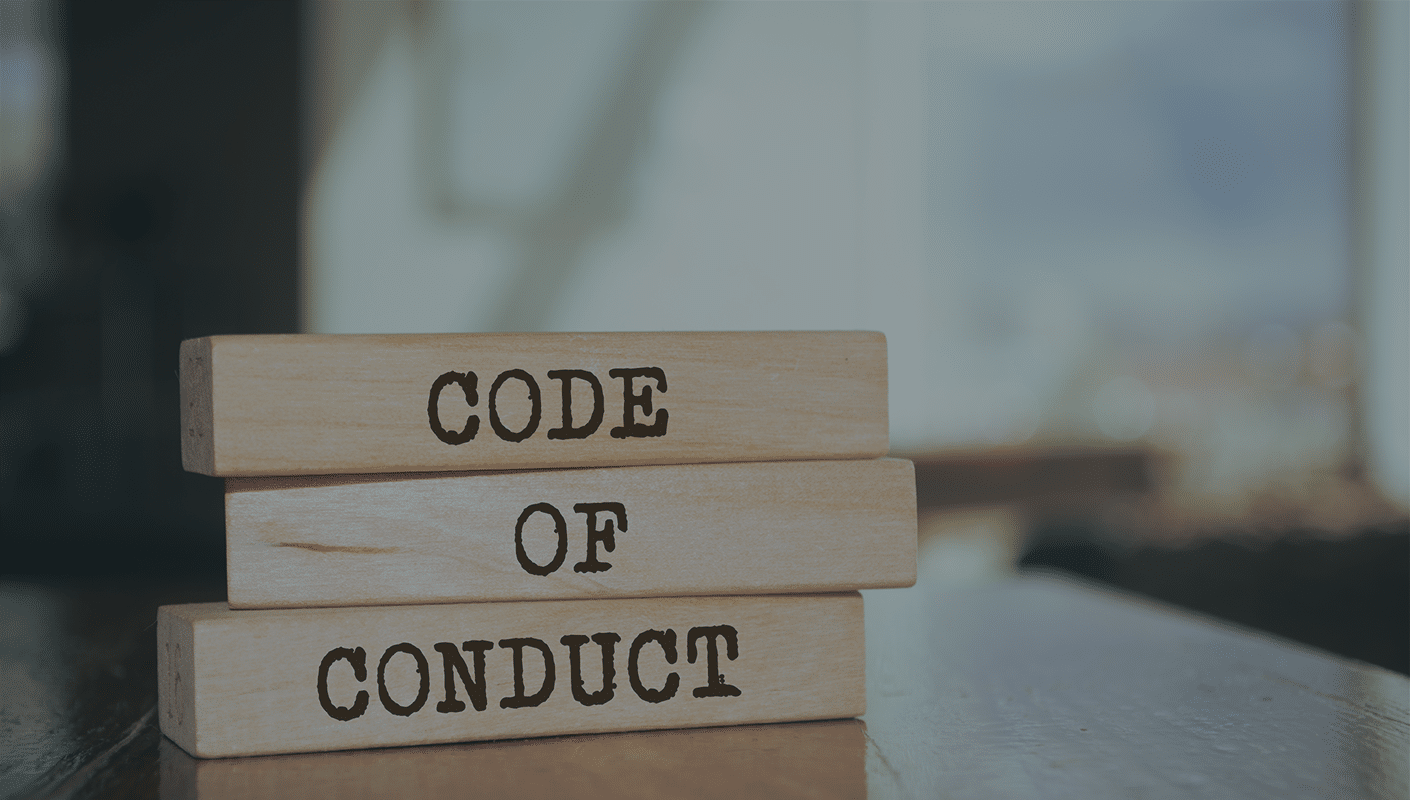
Risks and liabilities from Councillor Conduct
It is a familiar situation: a councillor walks by the municipal office and tells the CAO that the public works staff aren’t cleaning the snow correctly, or aren’t hanging the Christmas lights in the right configuration, or any number of similar issues. The councillor then proceeds to berate the various municipal employees for not doing their jobs well or to the councillor’s preferred standard. Regardless of the intent of the councillor in these situations, these kinds of interactions can lead to problematic and costly consequences for the municipality.
Status Quo: Councillor Codes of Conduct
Council codes of conduct which set expectations and requirements for Councillor conduct have long been a requirement of Alberta’s Municipal Government Act, RSA 200, c M-26 (“MGA”). Prior to May of 2025, municipalities in Alberta had clear statutory recourse when responding to unprofessional conduct of elected officials. Section 146.1 of the MGA required municipalities to establish a code of conduct outlining expectations for elected municipal councillors. Where a councillor acted in such a way that contravened the code of conduct, the other members of Council were able to impose sanctions, or punishments, on councillor’s to address the problematic behavior. If a councillor was harassing or bullying the employees of a municipality, one possible sanction was a limit on the ability of that councillor to speak or communicate with those employees. That was an effective way to prevent other kinds of liability for the municipality arising from the councillor’s behavior.
Current State of Affairs – No Codes of Conduct and No Restrictions on Councillor Conduct:
As of May 15th, 2025, the Municipal Affairs Statutes Amendment Act, 2025, SA 2025, c 13, repealed the requirement in the MGA for municipalities to create a code of conduct, and automatically repealed all codes of conduct that were in force. More importantly, it imposed a prohibition on municipal councils ability to pass any resolution or bylaw that affects councillor behavior or conduct. Even if a Council might wish to voluntarily pass a code of conduct, or a similar bylaw, they are prohibited by law from doing so.
On September 22nd, 2025, Premier Danielle Smith wrote a mandate letter to the Minister of Municipal Affairs requesting, among other things, that the work on a universal code of conduct for elected officials be completed. There is no clear indication as to how long that will take, but it is expected to be no earlier than late 2026, and potentially later. Until the universal code of conducts are put in place, there are no strict limits on councillor conduct, and municipalities can be exposed to various risks and liabilities that can result from problematic conduct of a councillor.
The Risk for Municipalities:
There are two forms of risk and liability that can affect municipalities when councillors berate, or bully or harass municipal employees: an occupational health and safety claim, or a claim for constructive dismissal.
Harassment:
The Occupational Health and Safety Act, SA 2020, c O-2.2, explicitly states that employers have the ongoing obligation to ensure that employees are not subject to harassment at work (s.4(iii)). This remains true, despite the absence of a code of conduct for elected officials. Where an employee of a municipality is exposed to harassment at work by way of inappropriate councillor conduct, the municipality has no recourse or ability to discipline or otherwise control the councillor’s conduct. If a councillor’s conduct results in a finding of harassment in the workplace, the municipality could be liable for fines or penalties under the OHS legislative regime.
Constructive Dismissal:
Where an employer allows toxic conditions to persist in a work environment it may become so intolerable a reasonable person is forced to leave their workplace and allege that they have been constructively dismissed. A toxic work environment is often characterized by a prolonged abuse of authority, repeated offensive conduct and harassment of the employee without disciplinary measures taken to address the harassing conduct or actions. Although it is possible for a single incident to be harmful enough to support a constructive dismissal claim constructive dismissal by way of a toxic work environment is often categorized by repeated, unwanted harassing conduct which goes unaddressed. Even if a municipality would like to take steps to address the harassing conduct of the councillor that is brought to their attention by an employee, they have limited tools to do so, and certainly the lack of any form of codes of conduct is highly problematic in that sense.
A Note of Caution to Councillors:
As elected officials, municipal councillors are bound by the general duties outlined by section 153 of the MGA. Such duties include considering the welfare and interests of the municipality. Councillors are also expected to take an oath of office and must do so before they undertake any duties of a councillor. That oath requires councillors to swear to conduct themselves diligently, faithfully, and to the best of their ability.
It is very important for all elected councillors to act responsibly and respectfully to municipal employees, as failing to do so could result in serious consequences for the municipal office they are sworn to uphold. While universal codes of conduct are expected to come into force in the next year or two, councillors should conduct themselves professionally, respectfully, and diligently in carrying out their duties as a councillor, even in the absence of a code of conduct restricting their behavior.
This post is meant to provide information only and is not intended to provide legal advice. Although every effort has been made to provide current and accurate information, changes to the law may cause the information in this post to be outdated.